Electrical Inspection in Prospect Park South, NY
Catch Electrical Hazards Before They Catch Fire

Hear from Our Customers
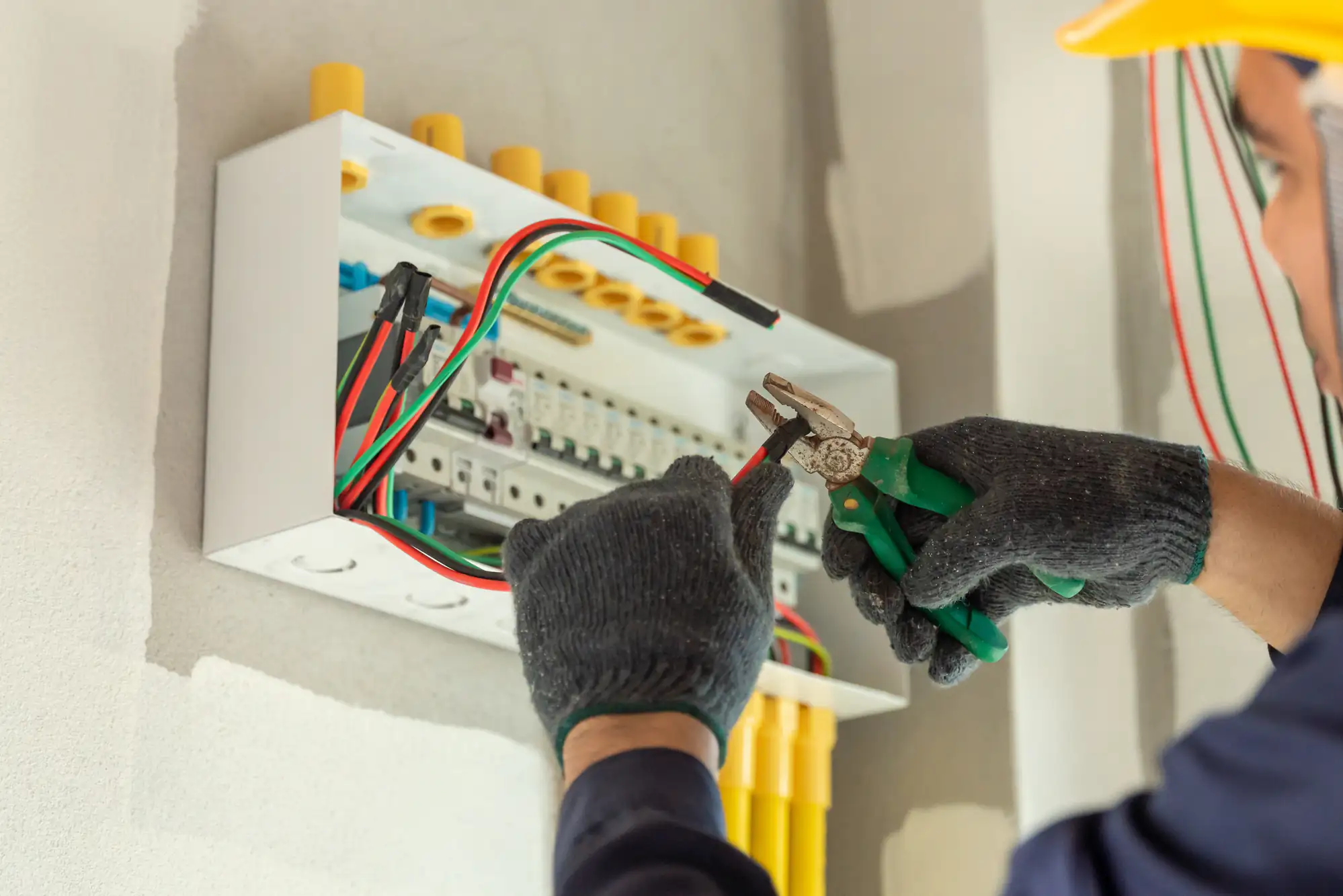
Certified Electrical Inspection Services Prospect Park South
You’re not looking for someone to walk through your house with a clipboard and call it done. You need someone who knows what overloaded circuits actually look like in a 1920s brownstone. Someone who can tell you whether that panel upgrade is urgent or something you can plan for next year.
A house electrical inspection in Prospect Park South means checking the wiring behind your walls, the load on your breakers, the grounding at your panel, and whether your system can handle what you’re actually plugging into it. Most homes in this neighborhood weren’t built for central air, electric car chargers, or smart home systems. That gap between what your electrical system was designed for and what you’re asking it to do is where the problems start.
After the inspection, you’ll know what’s safe, what’s not, and what needs attention now versus later. You’ll have documentation for your insurance company, your lender, or your buyer. And if something does need fixing, you’ll know exactly what it costs and why it matters.
Local Electrician Prospect Park South Residents Trust
We’ve been doing electrical work in Brooklyn long enough to know that every neighborhood has its quirks. Prospect Park South has beautiful old homes with original wiring that wasn’t meant to power modern life. We’ve seen the knob-and-tube. We’ve seen the aluminum. We’ve seen the DIY panel work that makes us wince.
We’re licensed, insured, and we don’t sugarcoat what we find. If your electrical system is fine, we’ll tell you. If it’s not, we’ll explain what’s wrong, why it’s a problem, and what it takes to fix it. No upselling. No scare tactics. Just straight answers from people who do this work every day.
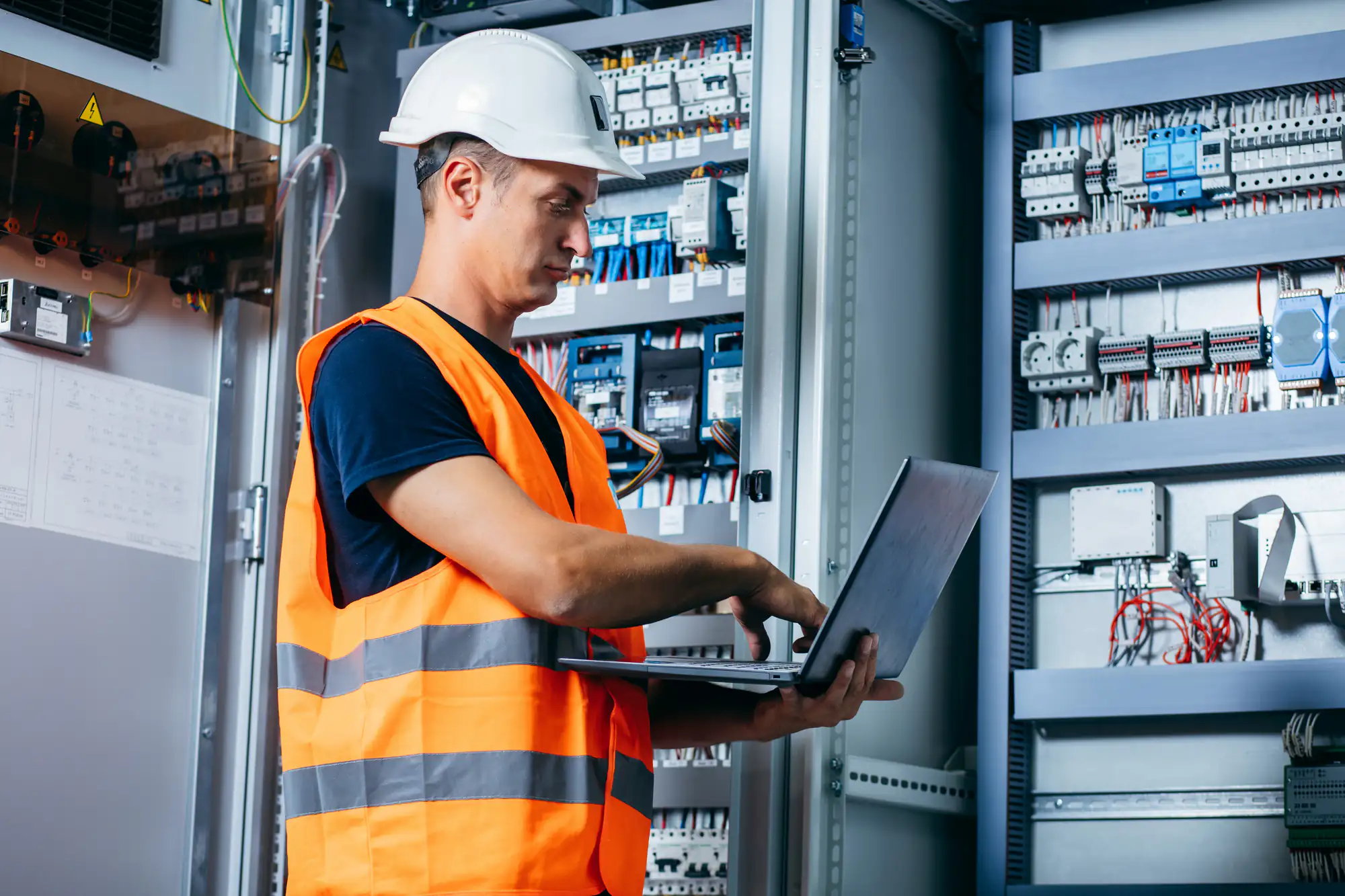
Our Electrical Inspection Process Prospect Park South
We start at your electrical panel. That’s where most of the story lives—whether your breakers are sized right, whether there are signs of overheating, whether someone added circuits that shouldn’t be there. We check for proper grounding, look for double-tapped breakers, and make sure your main disconnect actually works.
From there, we move through the house. We test outlets for proper wiring and grounding. We check GFCI protection in bathrooms and kitchens. We look at your lighting circuits, your major appliances, and any 240V equipment like dryers or AC units. If you’ve got older wiring, we’re checking insulation condition and whether connections are still solid.
We also look for code violations—things that might have been fine when they were installed but don’t meet current standards. That matters for permits, insurance, and resale. At the end, you get a written report that breaks down what we found, what’s urgent, and what you should keep an eye on. If repairs are needed, we can handle those too, or you can take the report to whoever you want.
Ready to get started?
What's Included in Electrical Inspection Prospect Park South
An electrical wiring inspection in Prospect Park South covers your entire system, not just the parts you can see. We inspect your service entrance, your meter connection, and your main panel for proper sizing and condition. We verify that your grounding and bonding meet code. We check every circuit breaker for correct amperage and signs of wear.
Inside your home, we test outlets and switches in every room. We verify GFCI and AFCI protection where required by code. We inspect visible wiring for damage, improper splices, or outdated materials. We check your smoke and carbon monoxide detectors to make sure they’re wired correctly and working.
For older homes in Prospect Park South, this often means finding knob-and-tube wiring that’s still energized, aluminum wiring that needs special attention, or Federal Pacific panels that insurance companies won’t cover anymore. We also look at how your system handles load—whether you’re tripping breakers because you’re overloading circuits or because something’s actually wrong. The goal is to give you a complete picture of what’s working, what’s not, and what you need to do about it.
How much does an electrical inspection cost in Prospect Park South?
Most residential electrical inspections in Prospect Park South run between $200 and $500, depending on the size of your home and how complex your electrical system is. A small apartment with one panel takes less time than a three-story brownstone with multiple subpanels and old wiring.
If you’re getting an inspection as part of a home sale, some electricians charge a flat rate. If you’re doing it for insurance or permit purposes, the cost might include the written report and any follow-up documentation your insurance company needs. The inspection itself usually takes two to four hours, and you’ll have a detailed report by the end of the day.
What you’re paying for is someone who knows what to look for and can spot problems before they become emergencies. That’s worth a lot more than the inspection fee when you consider what an electrical fire or a failed home sale actually costs.
Do I need a circuit breaker inspection if my electrical system seems fine?
If your system seems fine, that’s good. But “seems fine” and “is fine” aren’t always the same thing. Electrical problems don’t always announce themselves until something goes wrong—and by then, you’re dealing with a fire, a shock hazard, or a failed inspection that’s holding up your closing.
A circuit breaker inspection in Prospect Park South catches things you wouldn’t notice. Breakers that are starting to fail but haven’t tripped yet. Overloaded circuits that are running hot inside your walls. Connections that have loosened over time. Grounding issues that leave you vulnerable to surges or shocks.
Most experts recommend getting your electrical system inspected every few years, especially if your home is more than 25 years old. If you’re buying or selling, if your insurance company is asking for it, or if you’ve added major appliances or renovations, an inspection isn’t optional—it’s necessary.
What happens if the inspection finds code violations in my home?
Code violations don’t mean your house is about to burn down. They mean something doesn’t meet current electrical code standards—and that matters for permits, insurance, and safety. Some violations are minor and easy to fix. Others are serious and need immediate attention.
If we find violations during your electrical code inspection in Prospect Park South, we’ll explain what they are, why they’re a problem, and what it takes to bring things up to code. Some common issues include missing GFCI protection in kitchens and bathrooms, improper grounding, undersized wiring for the load, or outdated panels that don’t meet current safety standards.
You’re not legally required to fix code violations unless you’re pulling a permit for other work, selling your home, or your insurance company is requiring it. But ignoring them doesn’t make them go away—it just means you’re living with a system that’s not as safe as it should be. Most violations can be corrected without tearing apart your whole house, and we’ll give you a clear estimate for what that work involves.
How long does a home electrical inspection take in Prospect Park South?
A typical home electrical inspection in Prospect Park South takes between two and four hours, depending on the size of your property and how accessible your electrical system is. A small apartment with one panel and straightforward wiring goes faster than a multi-story home with multiple subpanels, old wiring, and additions that were done over the years.
We’re not just flipping breakers and checking boxes. We’re testing every outlet, inspecting connections, checking for proper grounding, looking at load distribution, and documenting everything we find. If your home has older wiring or previous electrical work that wasn’t done to code, that adds time because we need to trace circuits and verify what’s actually happening behind the walls.
You don’t need to be home for the entire inspection, but it helps to be available at the beginning and end so we can walk you through what we’re checking and what we found. You’ll get a written report the same day, and if repairs are needed, we can usually schedule those within a few days.
Will an electrical inspection help lower my insurance premiums in Prospect Park South?
Yes, in many cases. Insurance companies in New York often require a certified electrical inspection before they’ll issue or renew a policy, especially for older homes. If your inspection shows that your electrical system is safe and up to code, that can qualify you for lower premiums or make you eligible for coverage that you couldn’t get otherwise.
Some insurance companies offer discounts if you’ve had recent electrical upgrades—like a new panel, updated wiring, or AFCI breakers. Others just want proof that your system has been inspected by a licensed electrician and that any major issues have been addressed. If your home still has old wiring like knob-and-tube or aluminum, or if you have an outdated panel like Federal Pacific, some insurers won’t cover you at all until those are replaced.
Getting an electrical inspection in Prospect Park South gives you documentation that your system has been professionally evaluated. If problems are found and fixed, that makes your home safer and more insurable. And if your system is already in good shape, the inspection report proves it—which is exactly what your insurance company wants to see.
What's the difference between an electrical inspection and an electrical safety inspection?
There’s no real difference—the terms are used interchangeably. Both refer to a licensed electrician evaluating your electrical system for safety, code compliance, and proper function. Whether you call it an electrical inspection, an electrical safety inspection, or an electrical wiring inspection in Prospect Park South, the process is the same.
We check your panel, your circuits, your wiring, your grounding, and your outlets to make sure everything is working safely and meets current code. We look for hazards like overloaded circuits, damaged wiring, improper connections, and outdated components that could cause problems. We document what we find and give you a clear report that explains what’s safe and what’s not.
The inspection you need depends on why you’re getting it done. If you’re buying or selling a home, you need a pre-sale inspection. If your insurance company is asking for documentation, you need a safety inspection that meets their requirements. If you’re pulling a permit for renovation work, you need an inspection that verifies your existing system can handle the new load. We handle all of those, and the report you get will cover everything that matters for your situation.
Other Services we provide in Prospect Park South